
Breaking the Inflammation Cycle: Your 30-Day Reset Plan

Discover how hidden inflammatory triggers are sabotaging your health, and the simple strategies to reclaim your energy, focus, and vitality this year
Let's talk about something that's probably affecting you right now, whether you realize it or not: chronic inflammation.
It's January, and if you're feeling a little... off, maybe your joints are achy, your brain feels foggy, or your stomach isn't quite right, you're not alone. The holiday season is basically inflammation's favorite time of year, and now your body is sending you some not-so-subtle hints that it needs a reset.
Here's the thing: inflammation isn't always the villain. When you cut your finger or catch a cold, inflammation swoops in like a superhero to help you heal. But when inflammation becomes chronic, meaning it's constantly simmering in the background, that's when problems start piling up. We're talking joint pain, digestive issues, brain fog, fatigue, skin problems, and even conditions that can impact long-term cognitive health.
The good news? You have way more control over this than you might think.
The Hidden Inflammatory Triggers Nobody Talks About
Most people know that sugar and processed foods can cause inflammation. But there are sneaky culprits that often fly under the radar:
Food Sensitivities You Don't Know You Have – You might not be "allergic" to gluten or dairy in the traditional sense, but your body could be mounting an inflammatory response every time you eat them. This low-grade reaction doesn't cause hives or swelling, instead, it shows up as bloating, joint stiffness, brain fog, or unexplained fatigue. It's like your body is constantly defending itself against foods it perceives as threats.
Environmental Toxins – From the chemicals in your cleaning products to pesticides on your produce, environmental toxins accumulate in your body and trigger inflammatory responses. Your liver works overtime trying to process these exposures, and when it gets overwhelmed, inflammation increases.
The Stress-Inflammation Connection – Chronic stress is one of the biggest inflammatory triggers out there. When you're constantly stressed, your body pumps out cortisol and other stress hormones that directly fuel inflammation. It's a vicious cycle: stress causes inflammation, inflammation makes you feel worse, which causes more stress.
Sleep Deprivation – When you're not getting quality sleep, your body doesn't have time to repair and reset. Sleep deprivation triggers inflammatory pathways and disrupts the balance of hormones that regulate inflammation.
Why This Matters for Your Brain
Here's where things get really interesting, and where our work with the ReCODE and PreCODE protocols comes in.
Your brain and inflammation are intimately connected. Chronic inflammation doesn't just make you feel foggy today; it can actually impact cognitive function over time. Research shows that inflammatory markers in the blood are associated with cognitive decline and increased risk for dementia.
Think of inflammation as creating "static" in your brain's communication system. When inflammatory molecules circulate through your bloodstream, they can cross the blood-brain barrier and interfere with how your neurons talk to each other. This is why brain fog is such a common symptom of inflammation.
At Gaining Health, we integrate nutrition strategies from the Bredesen Protocol, the science-backed approach used in our ReCODE and PreCODE programs, to address inflammation as one of the key factors in cognitive health. When we help clients reduce inflammation, we often see improvements not just in how they feel physically, but in mental clarity, memory, and overall cognitive function.
A Suggested 30-Day Anti-Inflammatory Reset Plan
Ready to break the cycle? Here's a roadmap you can follow:
Week 1: Eliminate the Obvious Culprits – Remove refined sugar, processed foods, vegetable oils (like canola and corn oil), and alcohol. This gives your body a break from the most inflammatory foods while you assess how you feel. Keep a simple journal noting energy levels, pain, digestion, and mental clarity.
Week 2: Add Anti-Inflammatory Powerhouses – Focus on foods that actively fight inflammation: fatty fish rich in omega-3s (salmon, sardines, mackerel), leafy greens, berries, turmeric, ginger, green tea, and extra virgin olive oil. Think of this as crowding out the bad with the good.
Week 3: Address Hidden Triggers – Consider doing an elimination trial with common inflammatory foods like gluten and dairy. Remove them for 2-3 weeks, then reintroduce one at a time while monitoring symptoms. This is where functional testing can provide valuable insights, we can measure inflammatory markers and food sensitivities to give you a clear picture of what's really going on in your body.
Week 4: Build Sustainable Habits – This is where the reset becomes a lifestyle. Focus on meal prep, stress management techniques, prioritizing 7-9 hours of quality sleep, and movement that feels good (not punishing). Your body thrives on consistency, not perfection.
Delicious Anti-Inflammatory Recipes to Get You Started
Making this reset work means having go-to recipes that are actually delicious. Here are four gluten and dairy-free options to add to your rotation this week:
Anti-Inflammatory Energy Bites – These no-bake snacks combine dates, nuts, seeds, and warming spices like turmeric and cinnamon. Make a batch on Sunday, and you've got week-long ammunition against inflammatory cravings.
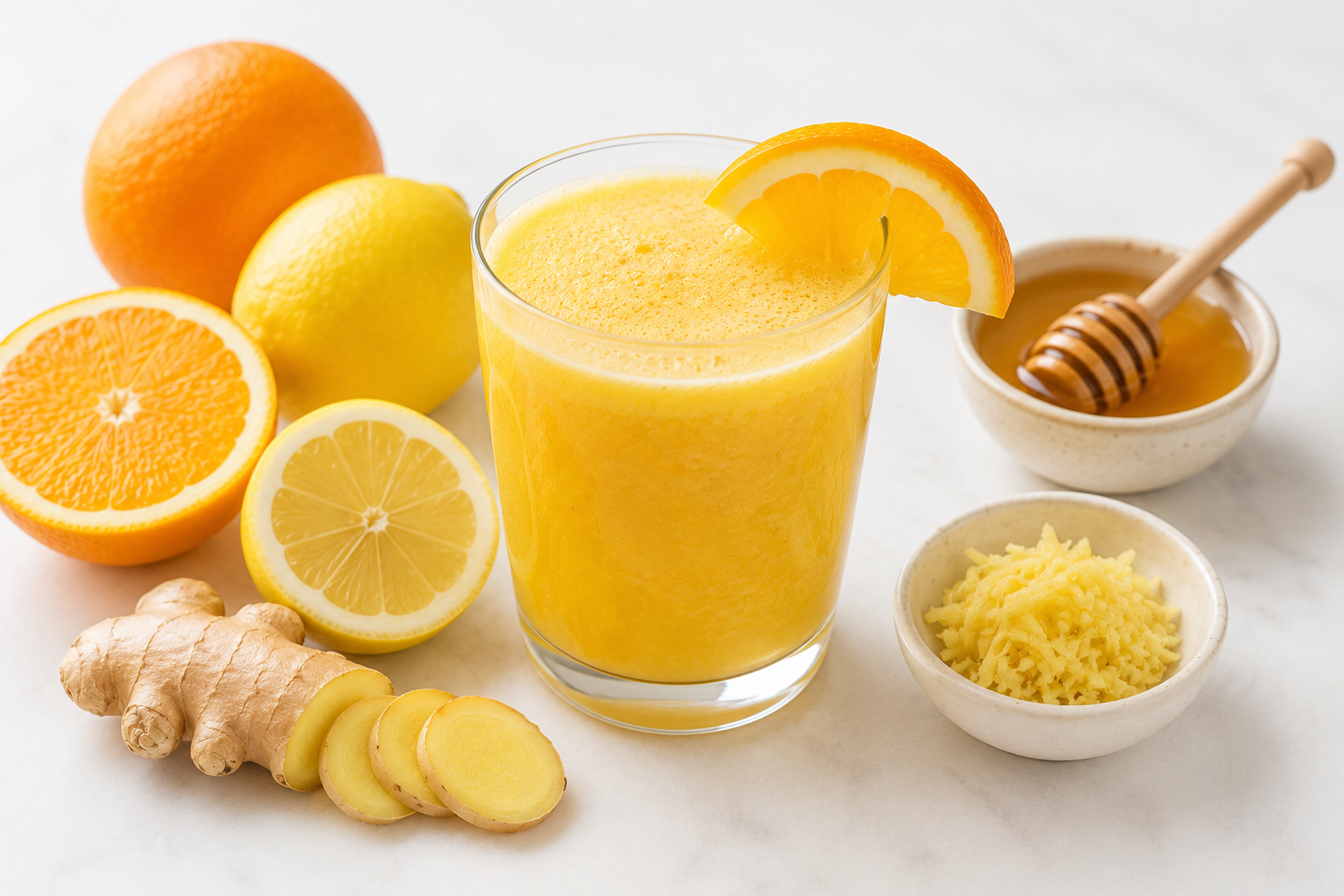
Ginger-Berry Smoothie – Perfect for grab-and-go mornings. Berries bring anthocyanins, ginger soothes your gut, and ground flaxseed adds plant-based omega-3s. Your blender does the work; you reap the benefits.
Golden Turmeric Latte – Your morning anti-inflammatory ritual. This warming beverage combines turmeric, ginger, and coconut milk with a touch of black pepper to boost absorption by 2000%. It's like sending your inflammation a very polite eviction notice.
Omega-3 Rich Salmon Bowl with Leafy Greens – A complete meal that checks every anti-inflammatory box. Wild-caught salmon delivers EPA and DHA, while the rainbow of vegetables provides antioxidants. Top it with our lemon-tahini dressing for healthy fats that help you absorb all those nutrients.
More Anti-Inflammatory Recipes from Our Kitchen
Looking for even more variety? We've got you covered. These recipes from our Healthy Bites collection are all designed with inflammation-fighting ingredients and brain-healthy nutrition in mind:
Breakfast Options:
Berry-Green Smoothie – Another smoothie powerhouse packed with antioxidants and leafy greens. When you need to switch up your morning routine.
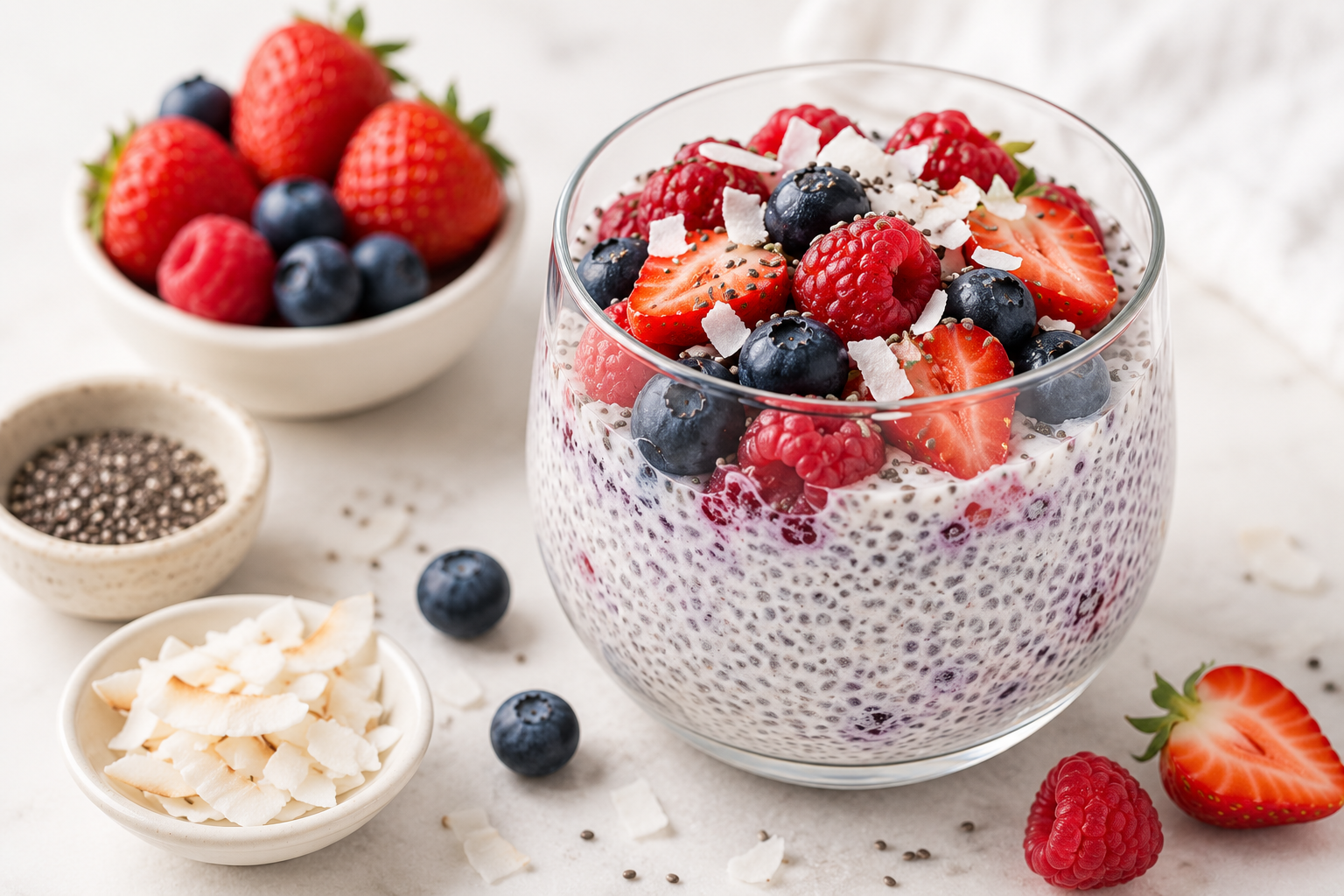
Apple-Cinnamon Chia Pudding – Prep it the night before, wake up to breakfast that's already done. Chia seeds bring omega-3s and fiber.
Savory Veggie Omelet with Avocado – When you want something substantial. Eggs, vegetables, healthy fats. Simple and satisfying.
Lunch & Dinner:
Mediterranean Quinoa Bowl – Another power bowl option with plenty of plant-based protein and anti-inflammatory olive oil.
Herbed Salmon with Brussels Sprouts & Sweet Potatoes – One pan, maximum nutrition, minimal cleanup. Brussels sprouts are cruciferous inflammation fighters.
Roasted Veggie & Lentil Soup – Perfect for meal prep. Freezes beautifully. Lentils bring plant-based protein and gut-supporting fiber.
Stuffed Bell Peppers with Turkey & Cauliflower Rice – Comfort food that doesn't trigger inflammation. Cauliflower rice keeps it grain-free.
Drinks & Snacks:
Golden Milk Latte – Our original golden milk recipe. Similar to the turmeric latte but with its own twist.
Hummus & Veggie Sticks – Sometimes simple wins. Chickpeas provide protein, veggies deliver crunch and nutrients.
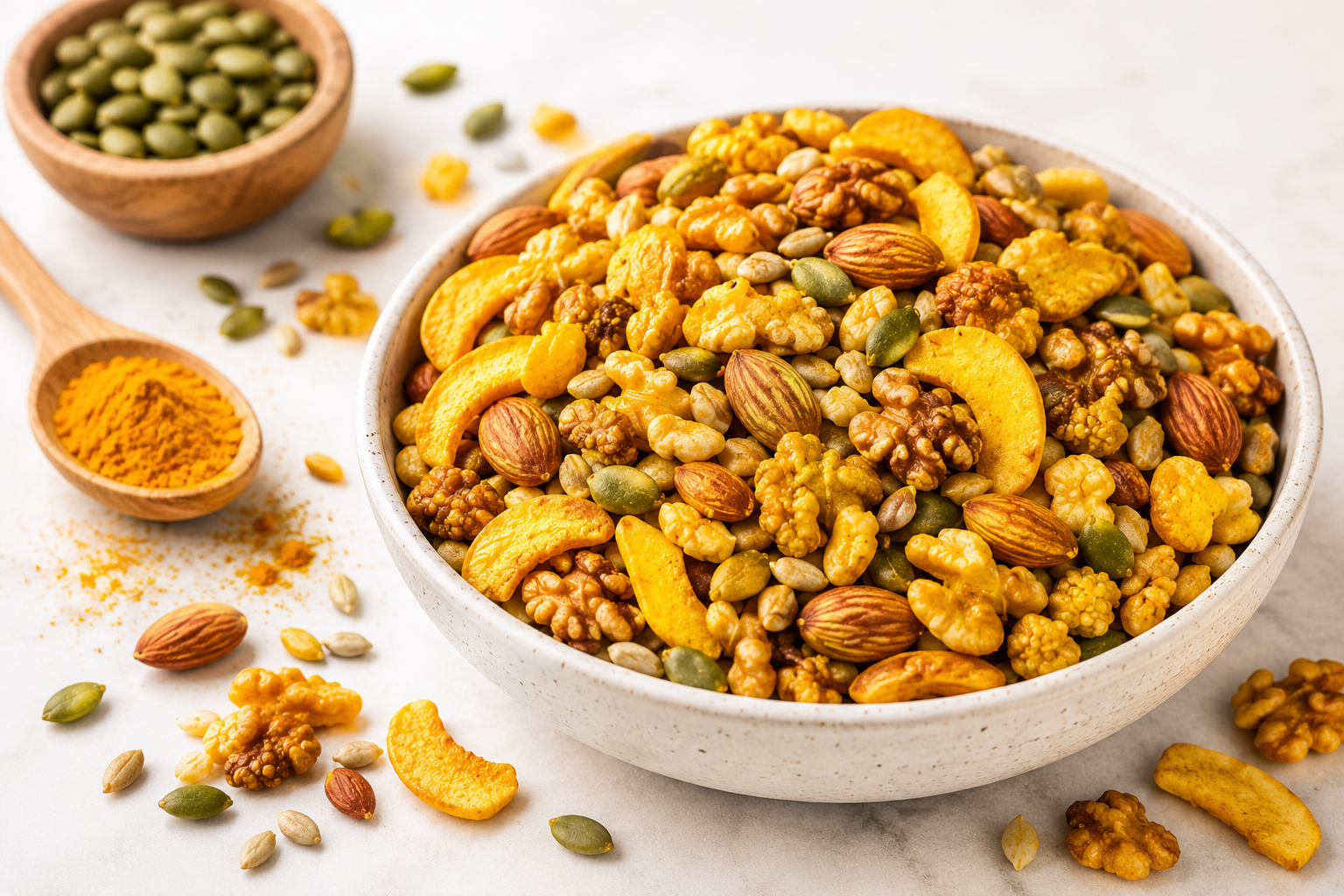
Trail Mix Boost – DIY trail mix with anti-inflammatory nuts, seeds, and just enough natural sweetness.
Holiday-Friendly Anti-Inflammatory Options:
Herb-Crusted Turkey Breast with Lemon & Garlic – Proof that holiday meals can be anti-inflammatory. Fresh herbs, quality protein, no inflammatory oils.
Roasted Brussels Sprouts with Pomegranate & Pecans – The side dish that steals the show. Pomegranate seeds add antioxidants and visual appeal.
Grain-Free "Stuffing" with Herbs & Sausage – All the comfort, none of the gluten. You won't miss the bread.
Browse all our Healthy Bites recipes →
Each recipe comes with complete nutrition information, prep tips, and explanations of why these ingredients matter for reducing inflammation. Because knowing what to eat is helpful, but understanding why makes it stick.
The Functional Medicine Difference
At Gaining Health, we don't believe in one-size-fits-all approaches. What triggers inflammation in your body might be completely different from your neighbor's triggers. That's why we use comprehensive functional testing to identify:
Food sensitivities and allergies
Gut health imbalances (like leaky gut or dysbiosis)
Nutrient deficiencies that impair your anti-inflammatory capacity
Toxic burden and detoxification capacity
Inflammatory markers and oxidative stress levels
Our nutrition counseling goes deeper than just telling you what to eat. We help you understand WHY certain foods work for your unique biochemistry, and we create personalized protocols that address the root causes of your inflammation, not just the symptoms.
When Inflammation Is Driving Weight Gain
Here's something most people don't realize: chronic inflammation doesn't just make you feel bad, it actively sabotages your metabolism. Inflammatory cytokines disrupt insulin signaling, mess with your hunger hormones, and make your body hold onto fat like it's preparing for a famine.
This is why our Metabolic Reset Weight Loss Program takes a completely different approach. Instead of another diet that ignores inflammation, we tackle it head-on with a 12-week data-driven program that includes:
Real-time glucose monitoring so you can see exactly how foods affect your inflammation and cravings
Comprehensive lab testing to identify what's really blocking your progress
Weekly coaching to keep you accountable and adjust your plan
Sauna sessions for detoxification support
BrainTap technology to retrain stress patterns that fuel inflammation
Because when inflammation is the problem, willpower isn't the solution. Biology is.
Learn more about the Metabolic Reset Program →
What to Expect When You Reduce Inflammation
Most people start noticing changes within the first two weeks:
Reduced joint pain and stiffness
Clearer thinking and better focus
Improved digestion and less bloating
Better sleep quality
More stable energy throughout the day
Skin improvements (less redness, breakouts, or irritation)
But here's what really excites me: the long-term benefits. When you consistently support your body's anti-inflammatory systems, you're not just feeling better today, you're investing in your cognitive health, metabolic health, and overall longevity.
Your Next Steps
Breaking the inflammation cycle isn't about being perfect. It's about making informed choices that support your body's natural healing capacity.
If you're ready to go deeper and get personalized support, I'd love to help you. At Gaining Health, we combine functional medicine testing, nutrition counseling, and evidence-based protocols like ReCODE and PreCODE to create truly transformative results.
Download our Free Anti-Inflammatory Food Guide to get started today. This comprehensive guide includes:
Complete lists of foods to embrace and avoid
Sample meal plans and shopping lists
Week-by-week reset guidance
Practical tips for sustainable success
When to consider functional testing
Take our Inflammation Assessment Quiz (10 simple questions) to see if functional testing might be right for you. This quiz helps you:
Evaluate your current inflammation levels
Identify which symptoms are most concerning
Understand which types of testing could help
Determine if professional support would be beneficial
Understanding your unique inflammatory triggers is the first step to lasting change.
Remember: inflammation isn't inevitable. With the right strategies and support, you can break the cycle and reclaim the vibrant health you deserve.
Resources/Citations:
Inflammation and cognitive decline: https://www.ncbi.nlm.nih.gov/pmc/articles/PMC5961532/
Dietary patterns and inflammation: https://www.health.harvard.edu/staying-healthy/foods-that-fight-inflammation
Bredesen Protocol research: https://www.apollohealthco.com/
Food sensitivities and inflammation: https://www.ncbi.nlm.nih.gov/pmc/articles/PMC6343770/
Stress and inflammatory response: https://www.apa.org/topics/stress/inflammation
Sleep and inflammation connection: https://www.ncbi.nlm.nih.gov/pmc/articles/PMC3548567/
Mediterranean Brain-Boost Bowl (GF, DF)