
Your Heart-Brain Highway: Why Cardiovascular Health Is Your Brain's Best Friend
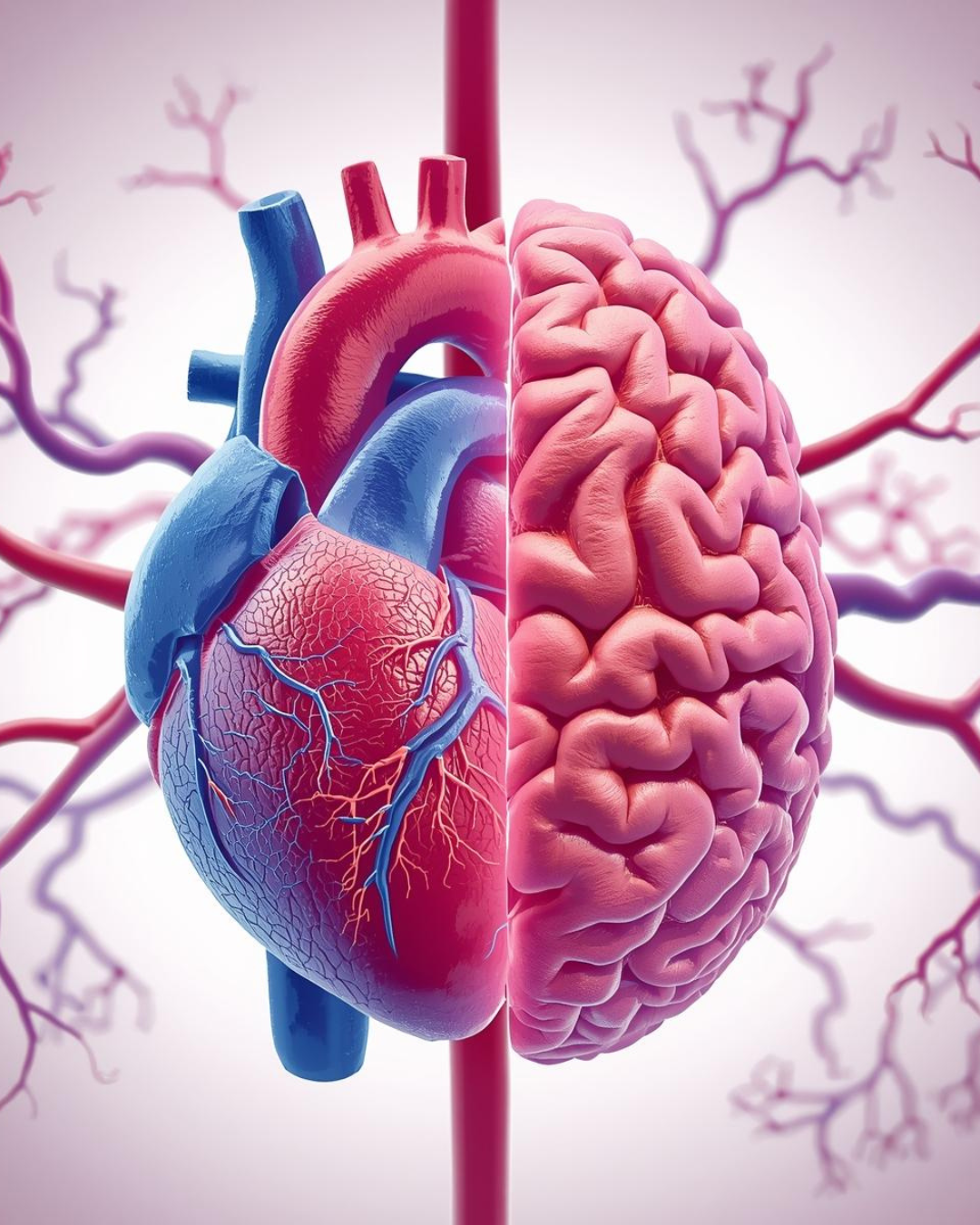
The surprising truth about how your blood vessels shape your memory, mood, and mental clarity
Here's something most people don't think about: your brain is ridiculously high-maintenance.
It makes up only 2% of your body weight but demands 20% of your blood supply. Every single heartbeat sends oxygen-rich blood racing through 400 miles of blood vessels in your brain. That's right, 400 miles of tiny highways packed inside your skull.
So what happens when those highways get congested?
Spoiler alert: your brain notices. Fast.

The Highway System Your Brain Depends On
Think of your cardiovascular system as the ultimate delivery service. Your heart pumps. Your blood vessels transport. Your brain receives nutrients, oxygen, and everything it needs to keep you thinking, remembering, and functioning.
When this system runs smoothly, your brain thrives. When it doesn't? You get brain fog, memory slips, and eventually, cognitive decline.
The science is clear: what's good for your heart is essential for your brain. Poor cardiovascular health doesn't just raise your risk of heart attack. It directly threatens your cognitive future.

Vascular Dementia: The Dementia Nobody Talks About
Everyone knows about Alzheimer's disease. But vascular dementia—cognitive decline caused by reduced blood flow to the brain—flies under the radar.
Here's the kicker: vascular dementia is the second most common type of dementia after Alzheimer's. And the two often travel together. Many people with Alzheimer's also have vascular changes in their brains. It's a toxic combo.
Vascular dementia happens when:
Strokes (even small, silent ones) damage brain tissue
Narrowed arteries reduce blood flow over time
Chronic inflammation damages blood vessel walls
High blood pressure, diabetes, or cholesterol create vascular chaos
The symptoms? Slowed thinking, difficulty with planning, confusion, and memory problems that progress in noticeable steps rather than the gradual decline of Alzheimer's.
The good news? Vascular dementia is highly preventable. Your cardiovascular choices today directly shape your cognitive reality tomorrow.
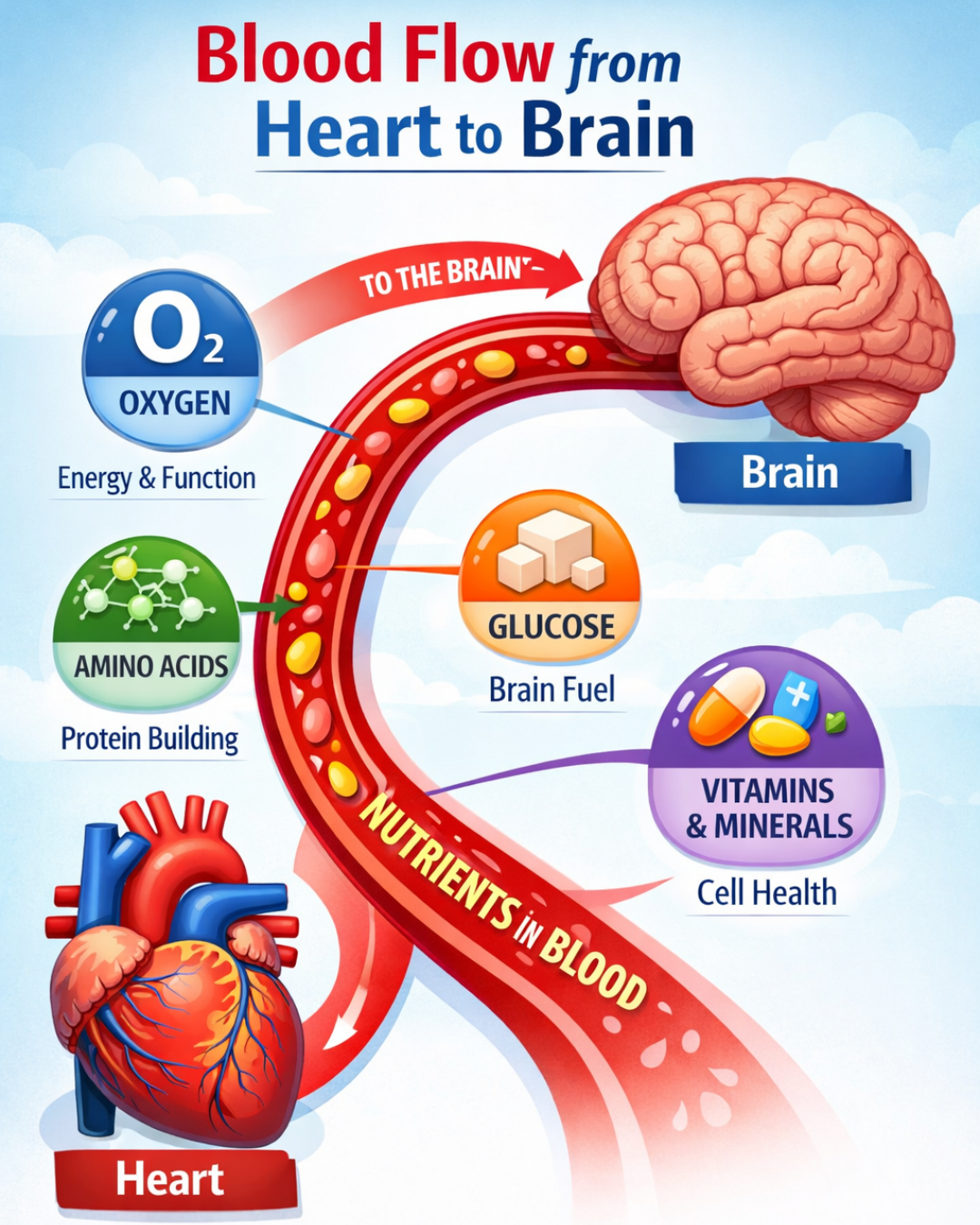
The Heart-Brain Connection: What Actually Happens
Your brain cells are energy monsters. They need constant fuel, and that fuel arrives via blood flow. When blood flow drops, even slightly, brain cells suffer.
Poor cardiovascular health creates a cascade:
High blood pressure damages delicate blood vessels, creating scarring and reducing flexibility. Your brain gets less blood with every heartbeat.
Arterial plaque buildup narrows vessels, creating traffic jams in your brain's highway system. Nutrients can't get through efficiently.
Chronic inflammation damages the blood-brain barrier, allowing harmful substances to enter brain tissue while blocking beneficial compounds.
Insulin resistance and metabolic dysfunction interfere with glucose delivery to brain cells, essentially starving them of energy.
Oxidative stress from poor circulation damages neurons and accelerates aging in brain tissue.
This isn't just theory. Brain imaging studies show that people with cardiovascular disease have measurably smaller brain volumes, particularly in areas critical for memory and executive function.
Your Brain on Bad Circulation
Let's get specific about what happens when your heart-brain highway breaks down:
Memory issues: The hippocampus, your brain's memory center—is especially vulnerable to reduced blood flow. Less circulation equals fewer new memories formed and more old memories lost.
Brain fog: When your brain doesn't get enough oxygen and nutrients, you feel mentally sluggish. That afternoon brain fog? Could be circulation, not just lunch.
Mood changes: Reduced blood flow affects neurotransmitter production. Depression and anxiety often accompany vascular problems.
Slower processing: Your brain literally slows down when it's not getting adequate fuel. Tasks that used to be automatic require more effort.
Increased dementia risk: Every cardiovascular risk factor you have multiplies your dementia risk. High blood pressure in midlife doubles your risk. Diabetes triples it.
The Functional Medicine Approach: Optimize the Whole Highway
Here's where conventional medicine often falls short: it treats individual risk factors in isolation. High blood pressure? Here's a pill. High cholesterol? Another pill.
Functional medicine asks: Why is your cardiovascular system struggling in the first place?
At Gaining Health, our approach to heart-brain optimization through PreCODE prevention and ReCODE protocols addresses root causes:
We assess inflammation markers beyond standard cholesterol panels, looking at hs-CRP, homocysteine, fibrinogen, and other indicators of vascular inflammation that directly threaten brain health.
We evaluate metabolic function through comprehensive testing including fasting insulin, HbA1c, and glucose tolerance to catch insulin resistance before it damages your vessels.
We examine nutritional status because deficiencies in B vitamins, magnesium, omega-3s, and CoQ10 directly impair cardiovascular and cognitive function.
We identify hidden stressors like chronic infections, toxin exposure, and gut dysfunction that create systemic inflammation affecting both heart and brain.
We optimize mitochondrial health because your heart and brain are the most mitochondria-dense organs in your body. When cellular energy production fails, both suffer.
The Lifestyle Levers That Matter Most
You have more control over your heart-brain highway than you think. These interventions make measurable differences:
Movement is medicine. Exercise increases blood flow, stimulates new blood vessel growth in the brain, and reduces inflammation. Even 30 minutes of brisk walking most days significantly lowers dementia risk.
Sleep repairs your vessels. During deep sleep, your brain's waste clearance system activates, and your blood vessels undergo maintenance. Chronic poor sleep accelerates cardiovascular and cognitive decline.
Stress management protects your heart and brain. Chronic stress hormones damage blood vessel walls and impair memory formation. Our HRV stress assessment reveals exactly how stress affects your system.
Strategic supplementation supports vascular health. Omega-3s reduce inflammation. Magnesium relaxes blood vessels. CoQ10 energizes heart cells. B vitamins lower homocysteine.
Anti-inflammatory nutrition reduces vascular damage at the source. What you eat either builds healthy vessels or destroys them.
The Diet-Heart-Brain Triangle
Your food choices affect your cardiovascular system within hours and your brain within days.
Mediterranean and MIND diets consistently show the strongest evidence for protecting both heart and brain. They emphasize:
Colorful vegetables rich in antioxidants and nitrates
Wild-caught fatty fish providing omega-3s
Nuts and seeds delivering healthy fats and minerals
Olive oil reducing inflammation
Berries protecting blood vessel walls
Notice what's missing? Gluten and dairy, two inflammatory triggers we eliminate in our 12-Week Metabolic Reset Weight Loss Program because they often drive the inflammation that damages cardiovascular and cognitive health.
This Month's Featured Recipes: Heart & Brain Boosters
We've created delicious, nutrient-dense recipes specifically designed to support cardiovascular and cognitive health:


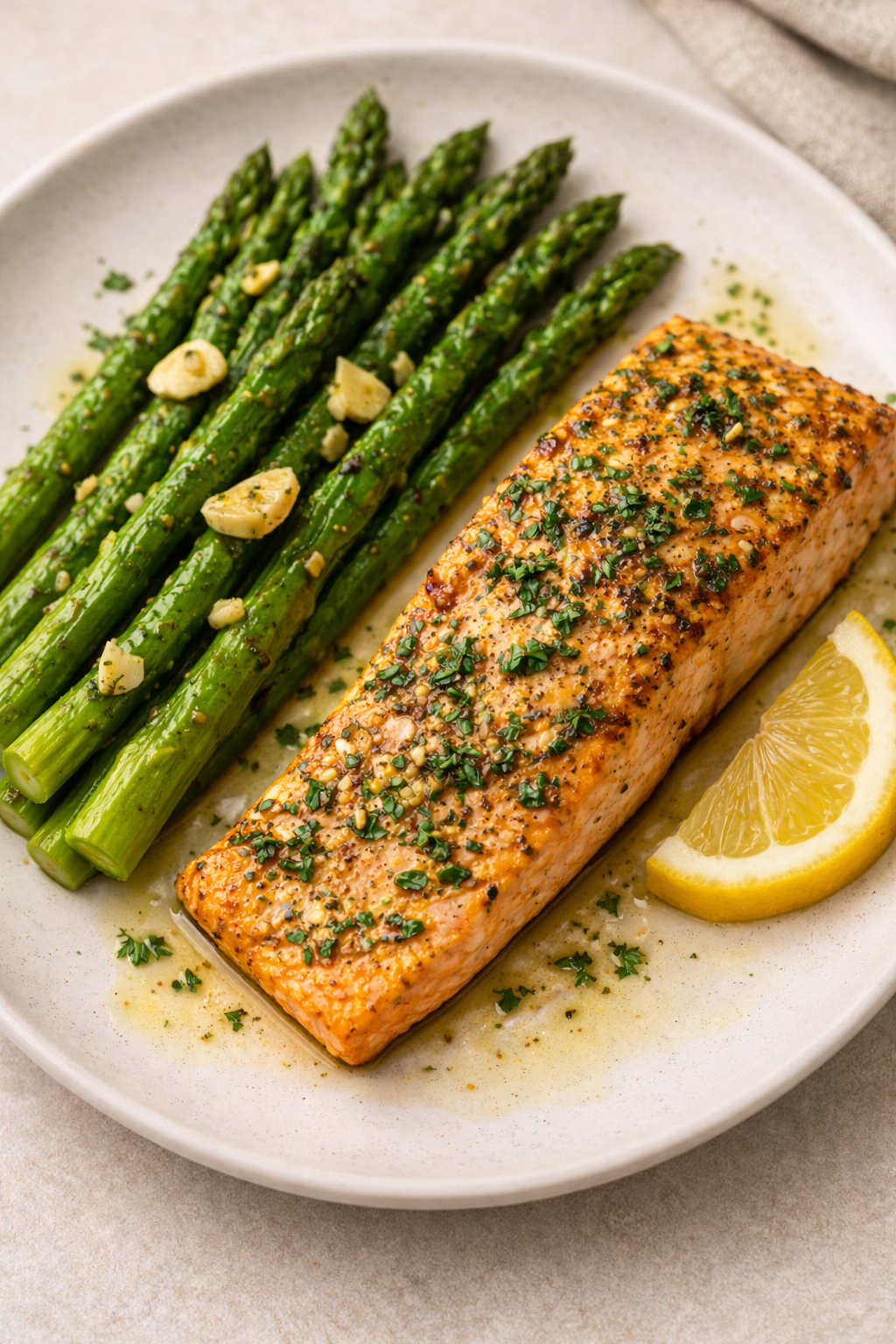
All recipes are gluten-free, dairy-free, and designed to reduce inflammation while delivering the nutrients your cardiovascular system craves.
Red Flags: When to Take Action
Your body sends signals when your heart-brain highway needs attention:
Persistent brain fog or mental fatigue
Memory lapses that worry you
High blood pressure, even "borderline"
Family history of heart disease or dementia
Metabolic syndrome or prediabetes
Chronic inflammation markers
Poor stress resilience
These aren't normal aging. They're treatable risk factors.
Prevention Is the Ultimate Treatment
Here's the truth about vascular cognitive decline: by the time symptoms appear, significant damage has already occurred. Your best strategy is aggressive prevention.
Our PreCODE protocol specifically targets the cardiovascular-cognitive connection, identifying and addressing risk factors before they create irreversible damage.
We use:
Comprehensive functional testing to reveal hidden cardiovascular risks
Personalized nutrition plans that reduce inflammation and support vascular health
Targeted supplementation to address specific deficiencies and metabolic needs
Lifestyle optimization including sleep, stress, and movement strategies
Advanced therapies like Red Light Therapy to enhance circulation and cellular energy
BrainTap sessions to reduce stress and support cognitive resilience.
Your Heart-Brain Future Starts Now
Every choice you make today either builds or breaks down your heart-brain highway. The Mediterranean salad you eat for lunch. The walk you take after dinner. The seven hours of sleep you prioritize. The stress you learn to manage.
These aren't just lifestyle recommendations. They're cognitive insurance.
Your brain is counting on your heart to deliver. And your heart is counting on you to give it what it needs to succeed.
Ready to optimize your heart-brain connection? Your cardiovascular system and your future memories will thank you.
Want to know your cardiovascular-cognitive risk profile?
Visit or contact us now! Gaining Health at Dragonfly Wellness Center Lake Wylie, SC
Resources & Citations:
Gorelick PB, et al. "Vascular contributions to cognitive impairment and dementia: a statement for healthcare professionals from the American Heart Association/American Stroke Association." Stroke. 2011;42(9):2672-2713.
Iadecola C. "The pathobiology of vascular dementia." Neuron. 2013;80(4):844-866.
Hughes TM, Craft S. "The role of insulin in the vascular contributions to age-related dementia." Biochim Biophys Acta. 2016;1862(5):983-991.
Livingston G, et al. "Dementia prevention, intervention, and care: 2020 report of the Lancet Commission." Lancet. 2020;396(10248):413-446.
Morris MC, et al. "MIND diet associated with reduced incidence of Alzheimer's disease." Alzheimers Dement. 2015;11(9):1007-1014.
Nguyen TT, et al. "Retinal vascular changes and cognitive decline: the Beaver Dam Eye Study." Neurology. 2020;94(6):e594-e603.
Bredesen DE. "The End of Alzheimer's: The First Program to Prevent and Reverse Cognitive Decline." Avery, 2017.
Related Articles:

Karin Mullooly
Board Certified Functional Medicine Practitioner
ReCODE 2.0 Certified Nutritionist
Integrative Nutrition Health Coach
Gut Health Specialist
Gaining Health at Dragonfly Wellness Center
Lake Wylie, SC
803-746-5700
karin@gaininghealth.net
gaininghealth.net
Heart-Brain Hot Cacao